Det lærer du
På SC-500 Implement end-to-end security controls for cloud and AI workloads lærer du at implementere sikkerhed på tværs af cloud-, hybrid- og AI-miljøer med Microsofts sikkerhedsteknologier.
Du arbejder praktisk med at beskytte identiteter, data, netværk, databaser, compute og AI-workloads. Kurset dækker blandt andet Microsoft Entra ID, Azure Key Vault, Azure Policy, Microsoft Defender for Cloud og Microsoft Sentinel.
Du lærer også at sikre moderne AI-løsninger, herunder Copilot-scenarier og autonome agenter, med blandt andet Microsoft Purview, Microsoft Entra, Microsoft Foundry og Defender for Cloud.
Efter kurset kan du blandt andet:
- Sikre identiteter og adgang med Microsoft Entra ID, PIM og Conditional Access
- Beskytte secrets, nøgler og certifikater med Azure Key Vault
- Implementere governance og compliance med Azure Policy og Defender for Cloud
- Sikre Azure Storage, Azure SQL, netværk og compute
- Beskytte servere, virtuelle maskiner og container-baserede platforme
- Sikre AI-workloads, Copilot-scenarier og autonome agenter
- Overvåge sikkerhed med Microsoft Defender for Cloud og Microsoft Sentinel
- Anvende Microsoft Security Copilot i sikkerhedsarbejdet
Du kan se alle emner og teknologier, vi gennemgår, under Kursusindhold længere nede på siden.
Det får du
Før kurset
- Mulighed for at tale med en instruktør, som kan hjælpe dig med at vurdere, om SC-500 er det rette kursus og niveau for dig
På kurset
- Undervisning af et erfarent instruktørteam med praktisk erfaring inden for Microsoft Azure, cloud og sikkerhed
- Praksisnær undervisning med en kombination af teori og hands-on labs i Azure-miljøer
- Arbejde med Microsofts sikkerhedsteknologier til cloud-, hybrid- og AI-miljøer
- Kursusmateriale, som du efterfølgende kan bruge som opslagsværk
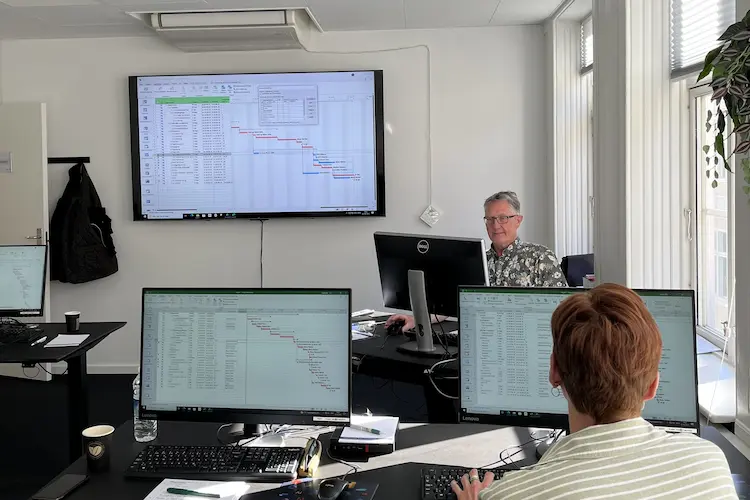
- Undervisning i vores kursuslokaler centralt i København
- Fuld forplejning med morgenmad, friskbrygget kaffe, te, frugt, sodavand, frokost på en nærliggende restaurant, kage og slik
- Kursusbevis som dokumentation for din deltagelse og dine nye kompetencer
Efter kurset
- Gratis hotline i et år, hvor du kan kontakte os med spørgsmål til de emner, der er gennemgået på kurset
- Vores tilfredshedsgaranti, som giver dig ekstra tryghed omkring dit kursus og læringsudbytte
Få det optimale ud af kurset
SC-500 er målrettet dig, der arbejder med cloud- og IT-sikkerhed og skal implementere sikkerhedskontroller på tværs af cloud-, hybrid- og multicloud-miljøer.
Kurset er særligt relevant for security engineers og andre IT-professionelle, der arbejder med at beskytte identiteter, infrastruktur, data, applikationer og AI-løsninger med Microsofts sikkerhedsteknologier.
Kurset er også relevant, hvis du forbereder dig til SC-500-eksamen og certificeringen Cloud and AI Security Engineer Associate.
Forudsætninger:
Du bør have erfaring med Azure, cloud-infrastruktur og grundlæggende sikkerhedsprincipper.
Det anbefales, at du har erfaring eller viden svarende til AZ-104 Microsoft Azure Administrator.
Kursusindhold
Modul 1: Secure access to resources by using Microsoft Entra
I dette modul lærer du at sikre adgang til cloud-ressourcer og AI-applikationer med Microsoft Entra. Du arbejder med stærk authentication, privileged access og identitetsbaseret sikkerhed.
Følgende emner vil blive gennemgået:
- Authentication methods i Microsoft Entra ID
- Privileged Identity Management (PIM)
- Just-in-Time privileged access
- Authentication af API plugins til declarative agents
Modul 2: Secure Azure Key Vault
I dette modul lærer du at beskytte secrets, keys og certificates med Azure Key Vault. Du arbejder med defense-in-depth, adgangskontrol og overvågning af potentielle sikkerhedstrusler.
Følgende emner vil blive gennemgået:
- Konfiguration og sikring af Azure Key Vault
- Administration af keys og secrets
- Administration og overvågning af certificates
- Microsoft Defender for Key Vault
- RBAC og Just-in-Time privilege
Modul 3: Security governance and regulatory compliance
I dette modul lærer du at implementere governance og compliance på tværs af Azure-miljøer. Du arbejder blandt andet med Azure Policy, RBAC og Microsoft Defender for Cloud.
Følgende emner vil blive gennemgået:
- Governance med Azure Policy og resource locks
- Security recommendations i Defender for Cloud
- Regulatory compliance
- RBAC og least privilege
- Sikkerhed i Azure Backup
- Security controls i Infrastructure as Code
Modul 4: Security for Azure Storage
I dette modul lærer du at sikre Azure Storage med en defense-in-depth tilgang. Du arbejder med adgangskontrol, netværkssikkerhed og threat detection.
Følgende emner vil blive gennemgået:
- Azure Storage services
- Adgangskontrol til Azure Storage
- Microsoft Entra ID og stored access policies
- Firewall rules og private endpoints
- Microsoft Defender for Storage
Modul 5: Security for Azure SQL databases
I dette modul lærer du at implementere end-to-end sikkerhed for Azure SQL Database og SQL Managed Instance, så følsomme data beskyttes mod uautoriseret adgang og angreb.
Følgende emner vil blive gennemgået:
- Platform-level security for Azure SQL
- Microsoft Entra ID authentication og managed identities
- Private endpoints
- Encryption og access controls
- Auditing i Azure SQL
- Microsoft Defender for Databases
Modul 6: Network security controls in Azure
I dette modul arbejder du med defense-in-depth netværkssikkerhed. Du lærer at segmentere workloads, kontrollere trafik og beskytte forbindelser til cloud- og hybridmiljøer.
Følgende emner vil blive gennemgået:
- Segmentering og isolering af Azure workloads
- Network security controls
- Azure Firewall
- VPN gateways
- Microsoft Entra Private Access
- Private endpoints til Azure PaaS-services
Modul 7: Security for AI
I dette modul lærer du at sikre AI-workloads på tværs af Microsofts AI-platform. Du arbejder med identiteter, data, Copilot, AI-agenter og guardrails til moderne AI-løsninger.
Følgende emner vil blive gennemgået:
- Microsoft Entra Agent Identity
- AI identity risks med Microsoft Defender XDR
- Real-time protection for Copilot Studio agents
- AI Gateway security i Microsoft Foundry
- Guardrails i Microsoft Foundry
- Microsoft Defender for Cloud til AI-workloads
- Microsoft Agent 365
- AI data risks med Microsoft Purview Data Security Posture Management
Modul 8: Security for servers and virtual machines
I dette modul lærer du at implementere flere lag af sikkerhed omkring Azure Virtual Machines og Arc-enabled hybrid servers.
Følgende emner vil blive gennemgået:
- Disk encryption til Azure Virtual Machines
- Trusted Launch
- Azure Bastion
- Security for Arc-enabled hybrid servers
- Microsoft Defender for Servers
- Just-in-Time VM access
- Azure Machine Configuration
Modul 9: Secure Azure application platform services
I dette modul arbejder du med sikkerhed på tværs af Azures application platform services. Du lærer at beskytte container workloads, Kubernetes, serverless applikationer og API'er.
Følgende emner vil blive gennemgået:
- Microsoft Defender for Containers
- Security controls for Azure Kubernetes Service (AKS)
- Azure Container Registry, Container Instances og Container Apps
- Azure Functions og Logic Apps
- Azure App Service og Web Application Firewall
- API security med Azure API Management
Modul 10: Manage security posture with Microsoft Defender for Cloud
I dette modul lærer du at arbejde med Cloud Security Posture Management og få overblik over sikkerhedstilstanden på tværs af cloud-, hybrid- og multicloud-miljøer.
Følgende emner vil blive gennemgået:
- Tilslutning af hybrid- og multicloud-miljøer
- Cloud Security Posture Management
- Identifikation af security risks
- External Attack Surface Management
- Regulatory compliance
- Workload protection plans
- Microsoft Defender Vulnerability Management
Modul 11: Activity and event collection in Microsoft Sentinel
I dette modul lærer du at opsamle og analysere sikkerhedshændelser i Microsoft Sentinel. Du arbejder med forskellige datakilder og automatisering af respons på sikkerhedshændelser.
Følgende emner vil blive gennemgået:
- Microsoft Sentinel workspaces
- Content Hub solutions
- Microsoft- og Azure-datakilder
- Syslog og Common Event Format logs
- Windows security events
- Automation rules
- Logic Apps playbooks
- Data retention og audit logs
Modul 12: Deploy and operate Microsoft Security Copilot
I dette modul lærer du at anvende Microsoft Security Copilot som en del af det daglige sikkerhedsarbejde. Du arbejder med opsætning, prompting og administration af Security Copilot i organisationen.
Følgende emner vil blive gennemgået:
- Introduktion til Microsoft Security Copilot
- Konfiguration af Security Copilot
- Effektiv prompting
- Workspaces i Microsoft Security Copilot
- Administration af plugins og agents
Vælg dato, by og deltagere
 Længde
4 dage
Længde
4 dage
 Pris
18,800 kr.
ex moms
Pris
18,800 kr.
ex moms
 Sted
System.Collections.Generic.List`1[System.String]
Sted
System.Collections.Generic.List`1[System.String]
20-10-2026
21-10-2026
22-10-2026
Kl: 09:00-16:00
Kl: 09:00-16:00
Kl: 09:00-16:00
Hvad siger vores kunder om os?
Siden 1991 har 4D Academy hjulpet virksomheder og specialister med at omsætte viden til målbare resultater. Vores kursister belønner os med en gennemsnitlig rating på 4,8 ud af 5 på Trustpilot, Google og Facebook, og det gør os stolte.
Se hvorfor både nye og erfarne fagfolk vælger os, når de vil løfte deres kompetencer.





Hold dig opdateret med vores nyhedsbrev
Her bor vi
Læderstræde 22, 2. sal, 1201 København K
Tueager 5, 8200 Aarhus
Ørbækvej 350, 5220 Odense
Tirsdag: 08.00 - 16.00
Onsdag: 08.00 - 16.00
Torsdag: 08.00 - 16.00
Fredag: 08.00 - 16.00